International Pulses Day
10 February marks International Pulses Day, which this year is celebrated under the theme "Pulses: bringing diversity to agri-food systems".
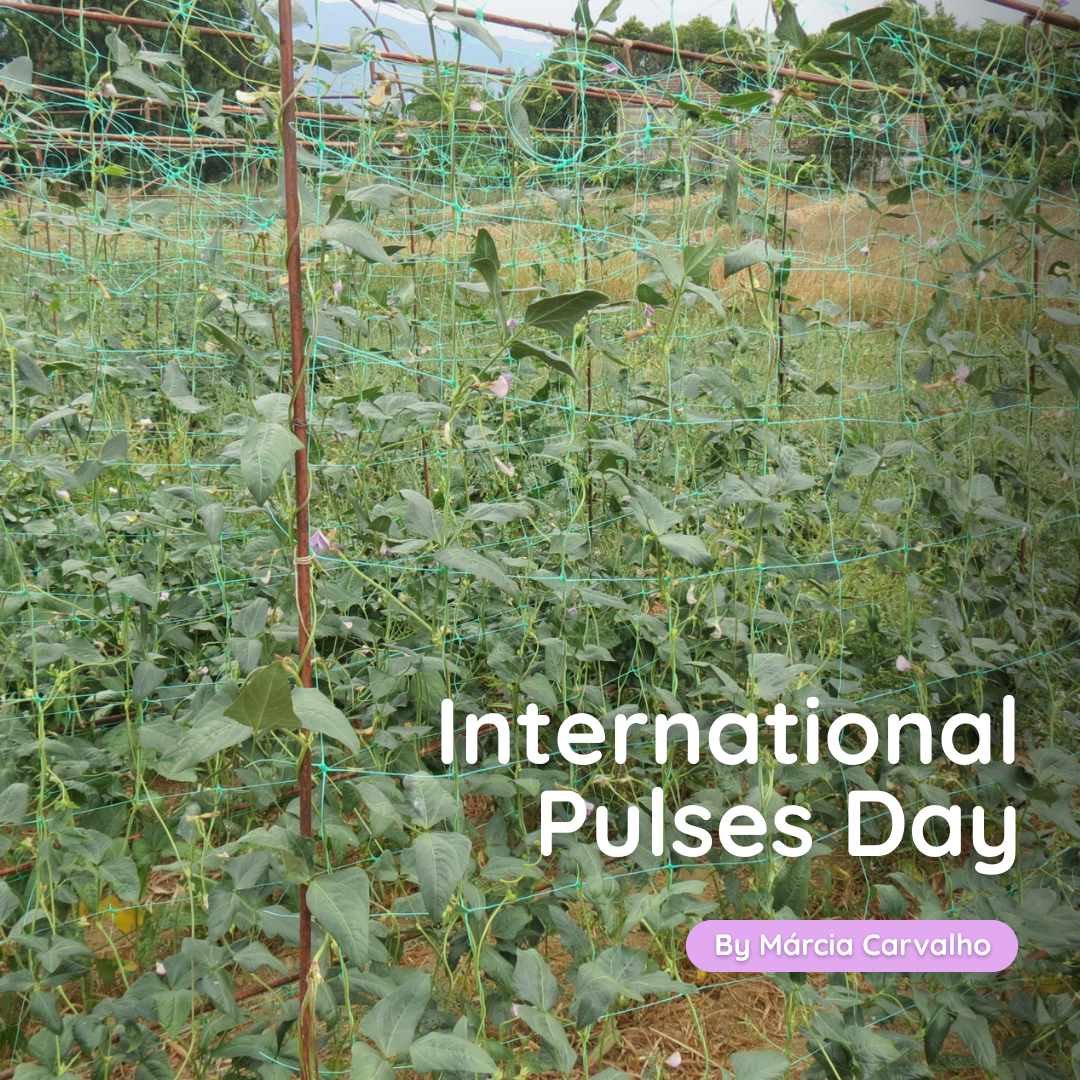
10 February marks International Pulses Day, which this year is celebrated under the theme "Pulses: bringing diversity to agri-food systems". This date, established by the United Nations General Assembly, aims to highlight the importance of pulses in the agri-food system, particularly in a context of vulnerability to climate change and soil degradation. This day reinforces an essential message: diversity is the basis of resilience.

Legumes are recognised as an important source of vegetable protein and are also rich in carbohydrates, fibre, vitamins and minerals. In addition to their high nutritional value, they offer significant agronomic advantages, namely the reduction in the use of nitrogen fertilisers, thanks to their ability to biologically fix atmospheric nitrogen. They play a key role in improving soil structure and fertility, making their incorporation into crop rotations highly beneficial for agricultural systems.
Despite their widely recognised benefits, the diversity of cultivated legumes has been declining in recent decades, being replaced by a small number of dominant crops. The recovery and enhancement of the diversity of legume genetic resources is therefore essential to increase adaptation to climate change, improve productivity and respond to the demands of more sustainable and innovative markets.
CITAB and UTAD have more than 300 legume accessions from different regions of Portugal and around the world in their Germplasm Bank. In order to enhance this diversity, several studies have been carried out to assess the diversity of common beans and cowpeas. Both grain legumes are highly resilient to drought, one of the abiotic stresses that most negatively affects agricultural production. Drought makes it essential to understand the mechanisms of plant adaptation. Studies show that well-developed, deep roots and increased biomass are mechanisms that plants use to protect themselves from water shortages.
In 2023, the exploratory project "RooPheLeg: Exploring root phenotyping for the selection of drought-tolerant legumes" (2022.01092.PTDC) began, funded by the Foundation for Science and Technology and led by CITAB. The project uses black-eyed peas as a model, as this crop stood out as very promising due to the results achieved in the European Eurolegume project (FP7-KBBE-2013-7), also led by CITAB. RooPheLeg implemented an innovative and efficient technique to identify more drought-tolerant varieties, based on morphological characteristics of the roots, using digital tools for image acquisition and processing. This approach has already proven effective, having been successfully applied to common beans. This new line of research is extremely relevant, as it could help to reduce the current 70% deficit in grain legume production in Europe, while at the same time exploiting the diversity of genetic resources.